Column · @niagarafallsnighttourpress
How to Choose the Right Evening Falls Experience
Choosing an evening visit to the falls is less about picking the first option you see and more about matching the experience to the kind of night you want. Some visits center on glowing water and quiet viewpoints. Others add a boat cruise, a meal, or a special event. The best choice depends on timing, access, comfort, and how much structure you want.
Start by deciding what you want to see after dark. The falls change character once the lights come on. The water still provides the drama, but illumination shapes the view, drawing attention to the mist, the rock face, and the movement of the current. If the visual display is the main reason for going, look for an option that gives you time at a clear viewpoint rather than rushing between stops.
Set your priority before you compare options
Think about the experience in plain terms. Do you want a relaxed walk, a guided route, a boat close to the water, or a viewpoint that makes photography easier? A niagara falls night tour can suit different interests, but the fit depends on what the route includes and how long you remain at each stop. A short outing may be enough if you already plan to see the falls during the day. A longer one makes more sense if the evening is the main event.
Also consider who is coming. A group with children, older adults, or anyone sensitive to mist may prefer easier paths and more time indoors or in sheltered areas. A couple looking for a calm evening may value a slower pace and fewer crowded stops. Photographers may care most about being near the railing when the lighting begins. There is no single best choice for every visitor, only a better match for the purpose of the trip.
Check the timing carefully
Night visits depend on light, weather, and the operating pattern of the season. Before booking anything, check the lighting schedule for the date you have in mind. The time when the falls are lit can shift with the season, and special events may alter the usual pattern. If fireworks are part of the appeal, confirm whether they are scheduled on that date rather than assuming they happen every night.

Arrival time matters just as much. Arriving too late can mean missing the early part of the display or being placed in a crowded area with limited sightlines. Arriving too early may leave a long wait, though it can also help you settle in and find a good position. Aim for a window that gives you time to get oriented, walk to the viewing area, and stay for the full sequence.
Pay attention to seasonal hours too. Paths, platforms, and attractions may close earlier in colder months, while peak periods can bring heavier crowds. A plan that looks simple on paper can feel tight if entry lines, security checks, or slow walks between points eat into the evening.
Compare the route, not just the headline
Many evening options sound similar until you look at the route. A walking plan along the pedestrian promenade gives you flexibility and lets you stop where the view feels best. A coach or shuttle style plan may reduce the amount of walking, but it can limit how long you stay in one spot. A boat cruise offers a different angle and a stronger sense of the water, though mist and wind can be part of the experience.
Look at where the route begins and ends. A central starting point is easier if you are staying nearby or arriving by public transport. A pickup outside the main area may require extra planning, especially after dark. Check whether the end point leaves you close to your hotel, parking area, or onward transport. An otherwise good outing can feel awkward if the return leg is unclear.
Read the route description for pace and terrain. Some sections near the falls can be uneven, wet, or crowded. If mobility is a concern, choose an option with fewer transitions and clearer access. If you enjoy walking, a route with several viewpoints may be more rewarding. The key is to match the physical demands to the group before committing.
Look closely at what is included
Inclusions can change the value of an evening plan. Some options focus only on transport and a guide. Others bundle entry to an observation deck, a meal, a boat cruise, or time at a selected viewing area. The right bundle depends on how much you want to fit into one night. Too many inclusions can make the evening feel rushed, while too few may leave you wondering where to go next.
If an observation deck is included, check whether the visit happens before or after dark. A deck can be useful for wide views, but the timing determines whether you see the falls lit from above or only in daylight. If a meal is included, consider where it sits in the schedule. A meal before the display can make the evening feel smooth. A meal after a long walk may feel like a reward, though it can delay the return.

For a boat cruise, think about the season and the conditions. Spray can be heavy, and a night outing may feel cooler than expected. Waterproof layers are sensible, and a camera needs protection. The closeness that makes a cruise memorable is also the reason some visitors prefer to stay on land.
Read the finer points before booking
Once a plan sounds right, check the practical details. Confirm the meeting point, the duration, and what happens if you arrive late. Look for clear information about cancellations or changes caused by weather. Outdoor plans near falling water are exposed to mist, wind, and cold, so flexibility matters.
Group size can shape the evening more than people expect. Smaller groups tend to move more easily and allow more time at viewpoints. Larger groups may offer a lively atmosphere but can slow down at busy rails and lifts. If you want a quiet experience, look for language that suggests a smaller or more controlled group. If you enjoy company and commentary, a fuller group may feel fine.
Guides can also make a difference. Good commentary adds context without turning the evening into a lecture. If local history, geology, or the mechanics of illumination interest you, look for an option that includes explanation. If you simply want a smooth route and time to take pictures, a less structured plan may be better.
Plan for the view you actually want
Position matters after dark. A railing close to the water can give a dramatic view, but mist may settle on the lens and the sound can be loud. A slightly higher position may offer a cleaner wide shot and more room to step back. If photography is a priority, arrive early enough to choose your spot and keep your settings ready before the lights change.
Useful photography tips include keeping a cloth handy for moisture, using a steady grip, and taking a few wider frames before focusing on details. Bright lights against dark water can be tricky, so compare shots and adjust rather than relying on one setting. If you want people in the frame, choose a location where faces are not lit only from behind.
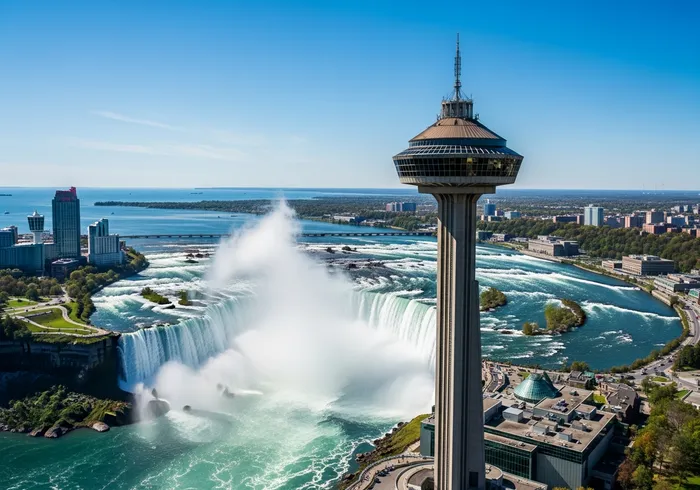
For a more relaxed evening, spend less time chasing the perfect angle. Move to one good viewpoint, stay long enough to notice how the scene changes, and allow time to walk back without pressure. This approach often feels better than trying to cover every possible vantage point.
Make the final choice with a simple comparison
When the options are narrowed down, compare them against the same few points: timing, route, access, inclusions, and ease of return. An evening falls visit should feel clear from the start. If the description leaves you unsure where to stand, when the lights begin, or how long the outing lasts, keep looking.
A strong choice usually balances structure with breathing room. It gives you a dependable plan, a sensible meeting point, and enough time to enjoy the water after dark. It also fits the people going, the season, and the level of comfort you want. Once those pieces line up, the niagara falls night tour becomes less of a complicated decision and more of a straightforward evening plan.